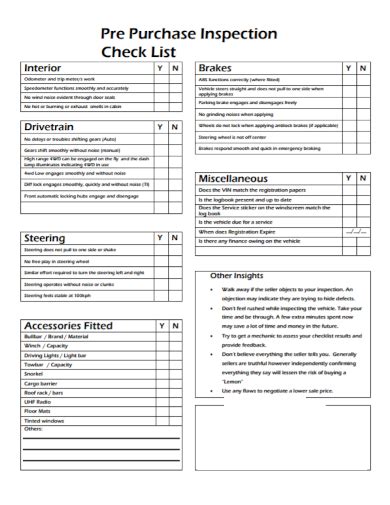
The Ultimate Used Tesla Model 3 Pre-Purchase Inspection Checklist: A Comprehensive Guide
Purchasing a used Tesla Model 3 can be an exciting prospect, offering access to advanced technology and sustainable driving at a more accessible price point. However, like any significant used vehicle investment, a thorough pre-purchase inspection (PPI) is absolutely critical to ensure you are making a wise and informed decision.
This comprehensive checklist will guide you through every essential aspect, from remote checks to the test drive, helping you uncover potential issues and confidently assess the vehicle’s true condition. Carefully evaluating each item will mitigate risks and prevent unexpected expenses after your purchase.
The Importance of a Thorough Pre-Purchase Inspection
A comprehensive inspection is paramount when acquiring any used vehicle, but it holds even greater significance for electric vehicles (EVs) like the Tesla Model 3. Unlike traditional internal combustion engine (ICE) cars, EVs have unique components and systems that require specific attention during the evaluation process.
Ignoring a detailed inspection could lead to costly repairs, unexpected battery degradation issues, or discovering that critical software features are not included as anticipated. Proper due diligence will empower you with knowledge about the car’s history and current state, allowing for confident negotiation or a decision to walk away.
Unique Considerations for Tesla Vehicles
Teslas, particularly the Model 3, are highly integrated machines where software plays a pivotal role in nearly every function. This integration means that traditional car inspection points are still important, but a deep dive into the vehicle’s digital health, battery condition, and specific Tesla features is equally crucial.
Features like Autopilot, Full Self-Driving (FSD) capability, and premium connectivity are tied to the vehicle’s software and can significantly impact its value and your ownership experience. Understanding their status and transferability is vital for a pre-owned Tesla.
Initial Remote Checks: Gathering Essential Information
Before you even lay eyes on the used Tesla Model 3, several remote checks can provide invaluable insights into its history and current state. These preliminary steps can save you time and help identify potential red flags early in the buying process.
Gathering this information beforehand allows you to approach the physical inspection with specific questions and areas of concern already identified. It establishes a foundation of knowledge crucial for evaluating the vehicle effectively.
Reviewing the Vehicle History Report (VHR)
Obtaining a Vehicle History Report from services like CarFax or AutoCheck is an absolute must for any used car purchase. This report will detail critical information such as accident history, previous ownership, odometer discrepancies, and service records, providing a transparent look into the car’s past.
Pay close attention to any reported collisions, flood damage, salvage titles, or consistent maintenance gaps, as these can indicate deeper underlying problems. The VHR serves as a vital tool to corroborate information provided by the seller and identify undisclosed issues.
Verifying Warranty Status and Recalls
Every Tesla Model 3 comes with several warranties, including a Basic Vehicle Limited Warranty, a Battery Limited Warranty, and a Drive Unit Limited Warranty. It is essential to confirm the remaining duration and coverage for these warranties, as they can save you significant repair costs down the line.
Additionally, check for any open recalls that have not been addressed by the previous owner; these can often be identified through the Tesla service menu or by contacting Tesla with the VIN. Ensuring all recalls are completed guarantees the vehicle meets current safety and performance standards.
Inquiring About Charging Habits and Software Features
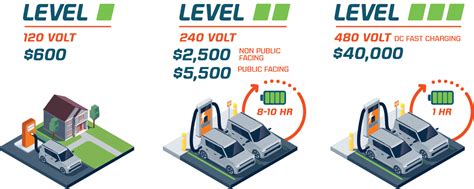
Understanding how the previous owner charged the Model 3 can offer clues about the battery’s health and longevity. Ask if they primarily used slow (Level 1/2) charging or frequently relied on Superchargers, as excessive DC fast charging can, over time, accelerate battery degradation.
Furthermore, clarify the status of software features like Enhanced Autopilot or Full Self-Driving (FSD) capability, as these are premium upgrades that may or may not transfer with the vehicle’s sale. Confirming these features’ presence and transferability prevents misunderstandings and potential disappointment.
Exterior Inspection: A Visual Scrutiny
A thorough examination of the Model 3’s exterior can reveal evidence of past accidents, poor repairs, or general wear and tear. Dedicate ample time to walk around the vehicle, observing details from various angles and under different lighting conditions.
This visual inspection is often the first opportunity to identify cosmetic flaws that might hint at more significant underlying issues or simply affect the car’s aesthetic appeal. Ensure you check both high and low perspectives for hidden damage.
Paint Condition and Panel Gaps
Carefully inspect the entire body for inconsistencies in paint color, texture, or overspray, which can indicate repainted panels due to collision damage. Tesla Model 3s are known for varying panel gap consistency, but significant or uneven gaps, especially between adjacent panels, could signal a more serious underlying issue or a poor repair job.
Look for any dents, scratches, or chips, paying particular attention to areas like the bumpers, door edges, and wheel arches. While minor imperfections are common in used cars, extensive damage or poorly executed repairs should raise a red flag.
Wheels, Tires, and Brake System
Examine all four wheels for curb rash, cracks, or bends, as damaged wheels can affect ride quality and require costly replacement. Check the tires for even wear across the tread, looking for feathering, cupping, or excessive wear on one side, which might indicate alignment issues or suspension problems.
Also, inquire about the age of the tires and measure the tread depth, as new tires represent a significant expense. For the brakes, visually inspect the brake pads and rotors for excessive wear or rust, noting that EVs like the Model 3 utilize regenerative braking heavily, which can extend brake pad life but still requires inspection.
Lights, Cameras, and Sensors
Test all exterior lights, including headlights, taillights, turn signals, and brake lights, to ensure they are fully functional. Check the condition of the glass lenses for cracks or hazing, which can impair visibility or lead to moisture intrusion.
Verify that all cameras (for Autopilot and parking assist) and ultrasonic sensors are intact, free of damage, and clear from obstructions, as their proper functioning is critical for the vehicle’s safety and advanced driver-assist systems. Any damage to these components could lead to expensive recalibrations or replacements.
Charging Port and Cables
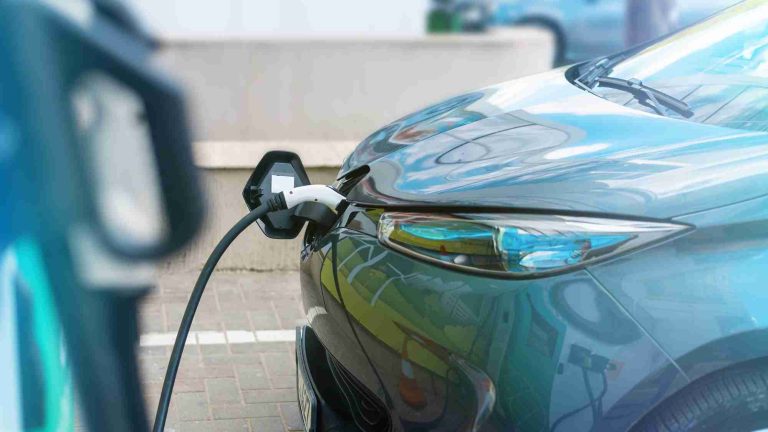
Inspect the charging port for any signs of damage, corrosion, or wear, ensuring that the mechanism opens and closes smoothly. Verify that the mobile connector and any included charging adapters (such as J1772 or NEMA adapters) are present and in good working condition.
Damage to the charging port could lead to unreliable charging or pose a safety risk. Confirming the availability and condition of charging equipment ensures you can charge the vehicle immediately after purchase.
Interior Inspection: Comfort, Technology, and Functionality
The interior of a used Tesla Model 3 should reflect the care given by its previous owner, as it is where you will spend most of your time. This section covers checks for wear, functionality of technological features, and overall cabin condition.
A meticulous interior inspection helps confirm that all systems operate as intended and that the cabin meets your comfort and aesthetic expectations. Pay attention to both the visible and less obvious elements.
Upholstery and Trim Condition
Inspect the seats for tears, stains, excessive wear, or cracking, particularly on the driver’s seat and high-contact areas. Examine the door panels, dashboard, and center console for scratches, scuffs, or loose trim pieces.
Ensure that all floor mats are present and in good condition, as replacement can be costly. The overall condition of the interior surfaces offers a good indication of how well the car was maintained by its previous owner.
The Infotainment System and Touchscreen
Power on the vehicle and thoroughly test the central touchscreen for responsiveness, dead pixels, or any display anomalies. Navigate through various menus, including media, navigation, and climate controls, to ensure all functions operate smoothly.
Verify that Bluetooth connectivity, USB ports, and any other infotainment features work correctly. The touchscreen is the primary interface for almost all vehicle functions, so its flawless operation is non-negotiable.
HVAC and Cabin Controls
Test the heating, ventilation, and air conditioning (HVAC) system to ensure it blows air at various temperatures and fan speeds. Check that all vents are adjustable and free of obstructions.
Operate the power windows, door locks, seat adjustments, and steering wheel controls to confirm proper functionality. Any malfunctions in these basic controls can be irritating and potentially expensive to repair.
Storage Areas and Smells
Open and close the glovebox, center console compartments, and under-floor storage in the trunk and frunk to ensure they operate correctly and are clean. Check for any signs of water intrusion or dampness in these areas.
Take note of any unusual odors in the cabin, such as mold, mildew, cigarette smoke, or pet odors, as these can be very difficult to eliminate. A fresh-smelling interior often indicates a well-maintained vehicle.
Drivetrain and Undercarriage Inspection
While Tesla Model 3s lack a traditional engine, the drivetrain and undercarriage still require careful scrutiny for signs of damage or wear. This part of the inspection focuses on the components that propel the car and protect its vital battery pack.
Inspecting these areas can reveal hidden damage from impacts or prolonged exposure to harsh road conditions. It’s crucial for understanding the structural integrity and long-term reliability of the vehicle.
Frunk and Trunk Examination
Open the front trunk (frunk) and rear trunk, inspecting the integrity of the linings and looking for any signs of water intrusion or previous damage. Ensure the emergency release mechanisms are functional in both compartments.
Check under the floor panels in both the frunk and trunk for any tools, tire repair kits (if applicable), or evidence of rust or leaks. These often overlooked areas can reveal hidden issues.
Battery Pack and Undercarriage Damage
If possible and safe to do so, inspect the vehicle’s undercarriage for any scrapes, dents, or punctures on the battery pack enclosure. The battery is one of the most expensive components of a Tesla, and damage here can be catastrophic and costly.
Look for any signs of fluid leaks, although EVs typically have far fewer fluids than ICE cars. Any significant undercarriage damage could indicate a serious impact or neglect, requiring professional evaluation.
Suspension Components and Steering Linkage
Visually inspect the suspension components, including shocks, struts, and control arms, for any signs of leaks, bends, or excessive corrosion. Uneven tire wear often points to suspension issues.
While stationary, turn the steering wheel from lock to lock and listen for any unusual noises or stiffness, which could indicate problems with the steering linkage. These components are vital for safe and comfortable driving.
The Test Drive: Evaluating Performance and Features
A comprehensive test drive is indispensable for assessing the used Tesla Model 3’s real-world performance, handling, and the functionality of its advanced features. Drive the car under various conditions that simulate your typical usage.
This hands-on experience allows you to feel how the vehicle responds, identify any unusual sounds or vibrations, and confirm that all systems are working as they should. It brings together all your static observations into a dynamic assessment.
General Driving Dynamics and Handling
During the test drive, pay close attention to the steering feel – it should be smooth, responsive, and free of excessive play. Drive at various speeds to assess the vehicle’s acceleration, ensuring it feels consistent and robust as expected from an EV.
Listen carefully for any unusual noises, such as clunks, squeaks, or grinding sounds, especially when going over bumps or turning. These can indicate issues with the suspension, brakes, or electric motors.
Braking Performance and Regeneration
Test the brakes at different speeds, ensuring they engage smoothly, quietly, and without pulling to one side. The brake pedal should feel firm and consistent, not spongy or excessively hard.
Also, observe the regenerative braking function; it should smoothly slow the vehicle down when you lift off the accelerator, contributing to the typical Tesla driving experience. Any inconsistency here could signal a problem with the motor or braking system.
Autopilot and Driver-Assist Features
If the vehicle is equipped with Autopilot or FSD (Full Self-Driving) capabilities, test these features in a safe and appropriate environment. Verify that Traffic-Aware Cruise Control, Autosteer, and any other included functionalities engage and disengage smoothly.
Ensure all sensors and cameras provide accurate input without error messages or erratic behavior. These advanced systems are a major selling point for Teslas, and their proper function is critical.
Listening for Unusual Noises or Vibrations
Beyond general driving, specifically listen for any persistent rattles, squeaks, or creaks coming from the cabin, suspension, or motor. Drive over rough patches of road and speed bumps to highlight potential issues that might not be apparent on smooth pavement.
Feel for any unusual vibrations through the steering wheel, pedals, or seats at different speeds, which could indicate problems with wheels, tires, suspension, or drive unit components. Identifying these subtle issues during the test drive is paramount.
Software and Connectivity: The Tesla Ecosystem
The software is the brain of a Tesla, controlling everything from charging to performance and driver-assist features. A thorough inspection of the software and connectivity aspects is crucial for a used Model 3.
Understanding the software’s state, available features, and connectivity options ensures you leverage the full potential of your Tesla. These elements significantly differentiate a Tesla from other vehicles.
Accessing the Service Menu for Diagnostics
Ask the seller if you can access the car’s service menu (typically done through a specific sequence on the touchscreen). This menu can provide valuable diagnostic information, including error codes, battery health statistics, and system alerts that are not normally visible to the user.
While complex, even a quick scan for obvious red error indicators or unusual warnings can be informative. This is where deeper insights into the vehicle’s internal health can often be found.
Premium Connectivity and Full Self-Driving (FSD) Status
Clarify whether the car includes Premium Connectivity, a subscription service that provides features like live traffic visualization, satellite-view maps, video streaming, and an internet browser. This service may or may not transfer with ownership, or it might be a paid subscription the new owner must activate.
Confirm the exact level of Autopilot or FSD capability present on the vehicle, as there are various tiers (Autopilot, Enhanced Autopilot, Full Self-Driving Beta). These features are tied to the specific vehicle and can significantly impact its resale value and your driving experience.
Checking for Software Updates and System Alerts
Navigate to the ‘Software’ section on the touchscreen to see the current software version installed and if any updates are pending. An outdated software version might indicate a period where the car was not connected to Wi-Fi or had connectivity issues.
Also, check for any active system alerts or warnings displayed on the touchscreen, which could indicate immediate issues requiring attention. The absence of alerts generally suggests a healthy system.
Assessing Battery Health: The Core of Your EV
The high-voltage battery pack is the heart of any electric vehicle, and its health is a primary concern for used EV buyers. Understanding the battery’s condition is paramount, as replacement or major repair is extraordinarily expensive.
While a precise battery health percentage can be elusive without specialized tools, several indicators can help you assess its likely degradation. Focus on real-world range and charging patterns to make an informed judgment.
Understanding Range Degradation and Expected Performance
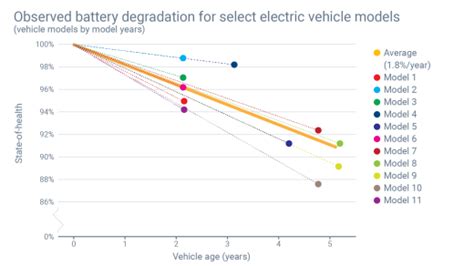
Inquire about the vehicle’s typical range when fully charged and compare it to its original EPA estimated range for that specific Model 3 variant. Some degree of battery degradation is normal over time and mileage, but significant drops should raise concerns.
While Teslas do not display a precise ‘state of health’ percentage, a consistent, noticeable reduction in maximum achievable range indicates degradation. Discuss with the seller their experience with the vehicle’s current range and how it meets their needs.
Reviewing Charging History and Habits
Ask the seller about their charging habits: how often did they charge to 100%, and how often did they use Superchargers versus home charging? While not definitive, prolonged charging to 100% or very frequent Supercharging can contribute to faster battery degradation.
The ideal scenario for battery longevity involves charging mostly to 80-90% for daily use and avoiding frequent deep discharges or prolonged periods at very low states of charge. Information about charging habits can offer clues about the battery’s treatment.
Documentation and Ownership Transfer Process
Beyond the physical inspection, ensuring all necessary documentation is in order and understanding the ownership transfer process is crucial for a smooth transaction. This administrative step finalizes your purchase.
Proper documentation confirms legitimate ownership and provides a clear record of the vehicle’s past maintenance. A clear transfer process ensures you gain full control and access to all Tesla services.
Service Records, Key Cards, and Charging Equipment
Request all available service records, particularly any major repairs or battery-related work performed by Tesla service centers. Confirm that at least two key cards are provided with the vehicle, as replacements can be costly.
Ensure that the mobile charging connector, along with any relevant adapters (e.g., J1772, NEMA 14-50), is included and in good working order. These are essential for charging the vehicle immediately after taking ownership.
Navigating the Tesla Ownership Transfer
Understand the specific steps required to transfer ownership of the Tesla Model 3 into your name, both legally with your local DMV and within the Tesla ecosystem. Tesla has a specific process for transferring vehicle ownership, which typically involves the seller initiating the transfer through their Tesla account.
This process is crucial for gaining full access to the Tesla app, Supercharging network, and receiving future software updates under your account. Verify that the seller is willing and able to complete this transfer promptly.
When to Consider a Professional Pre-Purchase Inspection
Even with the most meticulous self-inspection, a professional pre-purchase inspection by an independent mechanic specializing in EVs or Teslas offers an unparalleled level of scrutiny. These experts possess specialized tools and knowledge to uncover issues that an average buyer might miss.
If you are not mechanically inclined, buying from a private seller, or if the vehicle’s history report raises any red flags, investing in a professional inspection is highly recommended. It provides peace of mind and an objective assessment of the vehicle’s condition, potentially saving you from future headaches and significant expenses.
Acquiring a used Tesla Model 3 can be an immensely rewarding experience, but only if undertaken with careful consideration and thorough diligence. By following this comprehensive pre-purchase inspection checklist, you empower yourself with the knowledge needed to make a confident decision.
Remember that patience and attention to detail are your best allies in finding a well-maintained, reliable used Model 3 that will provide years of enjoyable electric driving. Do not hesitate to walk away if an inspection reveals too many significant issues or if the seller is unwilling to cooperate with your due diligence.
Frequently Asked Questions (FAQ)
How much does a used Tesla Model 3 pre-purchase inspection typically cost?
The cost of a professional pre-purchase inspection for a Tesla Model 3 can vary significantly depending on your location and the mechanic’s specialization. Generally, you can expect to pay anywhere from $150 to $300 for a comprehensive EV-specific inspection, which is a worthwhile investment for peace of mind.
Can I get a pre-purchase inspection directly from Tesla service centers?
Tesla service centers typically do not offer pre-purchase inspection services for private sales. Their primary focus is on servicing vehicles owned by their customers. You will usually need to rely on independent third-party mechanics who specialize in electric vehicles or have experience with Teslas.
What are the most common issues to look out for in used Tesla Model 3s?
Common issues in used Model 3s can include varying panel gap consistency, wear on interior components (especially the driver’s seat), minor rattles, minor battery degradation (expected with age and mileage), and potentially minor suspension component wear depending on driving conditions. Always check the infotainment screen for dead pixels and ensure all cameras and sensors are clear.
How do I accurately check the battery health of a used Tesla Model 3?
Checking exact battery health (State of Health or SOH) in a used Tesla can be challenging without specialized diagnostic tools, as Tesla doesn’t provide a direct percentage to users. Instead, look for significant reductions in the car’s maximum displayed range when fully charged compared to its original EPA rating, and ask the seller about their charging habits. Some third-party apps and services claim to estimate SOH, but their accuracy can vary.
Is it worth paying for a professional third-party inspection, or can I do it myself?
While a detailed self-inspection using a checklist is highly recommended, investing in a professional third-party inspection is generally worth it, especially for a significant purchase like a Tesla. Professionals have specialized tools, lifts, and expertise to identify hidden issues, assess battery health more accurately, and provide an unbiased report that can be crucial for negotiation or avoiding a bad purchase.