
10 Best Cars Insurance Policies That Offer Strong Protection And Value
Cars insurance is a critical financial safeguard that protects drivers against unexpected costs arising from accidents, theft, liability claims, and vehicle damage. As vehicles become more expensive to repair and legal liability limits continue to increase, selecting the right insurance policy has evolved into a strategic decision rather than a routine purchase.
A well-designed cars insurance policy does more than satisfy legal requirements; it preserves financial stability, ensures access to quality claims support, and provides peace of mind during stressful situations. Understanding which policy structures deliver both strong protection and long-term value allows drivers to avoid underinsurance, reduce hidden risks, and optimize premium spending over time.
1. Comprehensive Cars Insurance Policies
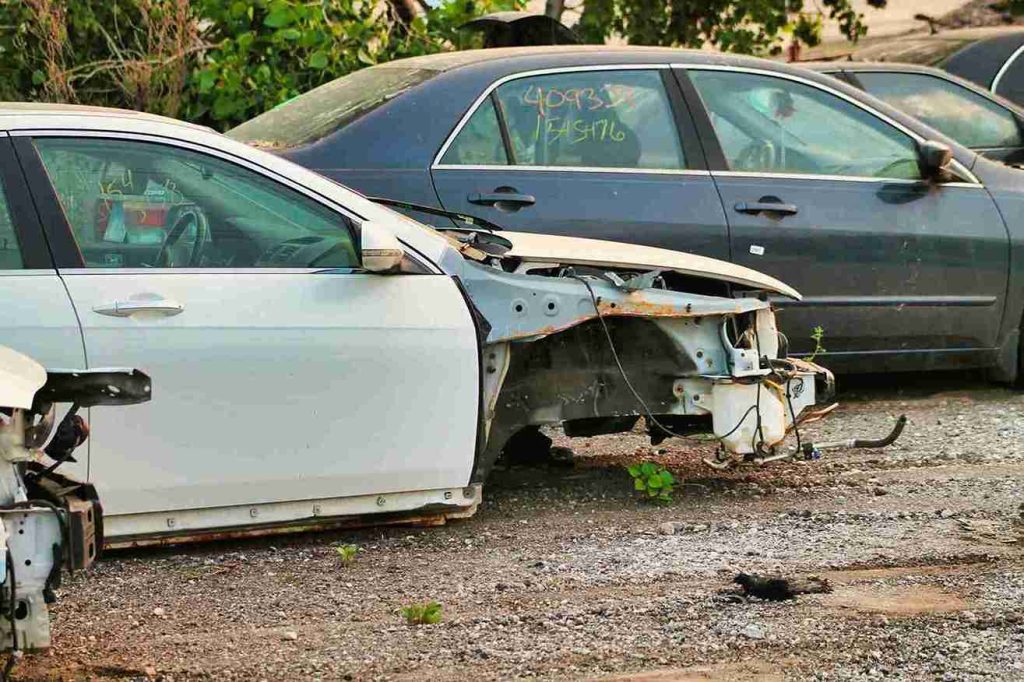
Comprehensive cars insurance policies are widely regarded as one of the most robust forms of vehicle protection because they cover a broad range of non-collision risks. These include theft, vandalism, fire damage, falling objects, flooding, and severe weather events. For drivers who own newer vehicles or live in areas prone to environmental risks, comprehensive coverage significantly reduces exposure to sudden financial loss. While premiums may be higher than basic policies, the ability to recover quickly from unpredictable incidents often outweighs the additional cost, making comprehensive coverage a strong value-oriented choice.
2. Collision Coverage Cars Insurance Policies
Collision-focused cars insurance policies are designed to cover damage resulting from accidents involving another vehicle or fixed object, regardless of fault determination. Repairing modern vehicles often involves advanced materials, sensors, and electronics, which can lead to high repair costs even after minor accidents. Collision coverage ensures that these costs do not fall entirely on the driver. When structured with an appropriate deductible, collision policies offer reliable protection and predictable expenses, especially for drivers who commute frequently or operate vehicles in congested traffic environments.
3. Liability-Based Cars Insurance Policies
Liability cars insurance policies form the legal foundation of auto insurance in most regions and protect drivers from financial responsibility for injuries or property damage caused to others. Although liability coverage does not pay for the policyholder’s own vehicle repairs, it is essential for shielding personal assets from lawsuits and medical claims. Choosing higher liability limits often delivers strong long-term value, as medical expenses and legal settlements can exceed minimum requirements quickly. For risk-aware drivers, robust liability coverage is a cornerstone of financial protection.
4. Full Coverage Cars Insurance Policies
Full coverage cars insurance policies combine liability, collision, and comprehensive coverage into a single plan, offering balanced protection across multiple risk categories. These policies are commonly required by lenders for financed or leased vehicles, but they also appeal to drivers who prefer simplified coverage management. Full coverage policies reduce gaps in protection and streamline claims handling, ensuring that most common accident and damage scenarios are addressed. The comprehensive nature of this policy structure provides strong value by minimizing uncertainty during claims events.
5. Usage-Based Cars Insurance Policies
Usage-based cars insurance policies represent a modern approach to pricing that reflects actual driving behavior rather than generalized risk assumptions. Through telematics devices or mobile applications, insurers evaluate mileage, braking patterns, speed consistency, and driving times. Drivers who demonstrate safe habits often receive lower premiums without sacrificing coverage quality. This policy type offers exceptional value for low-mileage drivers, remote workers, or individuals with consistent driving discipline who want premiums aligned with real-world risk.
6. High-Deductible Cars Insurance Policies
High-deductible cars insurance policies lower premium costs by increasing the amount a driver pays out-of-pocket before insurance coverage applies. This structure is particularly valuable for drivers with strong emergency savings who can absorb higher deductibles if needed. Over time, premium savings can be substantial, especially when combined with comprehensive or collision coverage. High-deductible policies reward financial preparedness and long-term planning while maintaining access to essential protection during major incidents.
7. Bundled Cars Insurance Policies
Bundled cars insurance policies combine auto coverage with other insurance products such as homeowners, renters, or umbrella insurance. Insurers typically offer discounts for multi-policy arrangements, resulting in lower total premiums and simplified billing. Bundling also improves coverage coordination, reducing overlaps or gaps between policies. For households managing multiple insurance needs, bundling delivers strong value by lowering costs and improving administrative efficiency without reducing protection.
8. Safe Driver Discount Cars Insurance Policies
Safe driver-oriented cars insurance policies reward individuals who maintain clean driving records and avoid frequent claims. These policies reflect a lower risk profile and often include premium reductions that increase over time. Maintaining eligibility for safe driver discounts requires consistent driving discipline, but the long-term savings can be significant. For responsible drivers, this policy structure offers one of the most sustainable ways to reduce insurance costs while preserving full coverage benefits.
9. Cars Insurance Policies With Roadside Assistance
Policies that include roadside assistance enhance the practical value of cars insurance by providing support during everyday emergencies. Services such as towing, battery jump-starts, tire changes, fuel delivery, and lockout assistance prevent minor incidents from escalating into costly disruptions. For drivers who rely heavily on their vehicles for commuting or travel, roadside assistance adds functional protection that improves convenience and reduces stress during unexpected breakdowns.
10. Customizable Cars Insurance Policies
Customizable cars insurance policies allow drivers to tailor coverage based on individual risk exposure, vehicle usage, and financial priorities. Optional add-ons such as rental reimbursement, gap coverage, uninsured motorist protection, and medical payments coverage provide targeted protection where it matters most. Customization ensures drivers pay only for relevant coverage while maintaining strong protection against specific risks. This flexibility maximizes value by aligning insurance costs directly with personal needs.
Conclusion
Choosing the right cars insurance policy requires careful evaluation of coverage scope, financial risk tolerance, and long-term cost efficiency. Policies that offer strong protection and value are not defined solely by low premiums, but by their ability to respond effectively when unexpected events occur. From comprehensive and full coverage policies to usage-based and customizable options, each cars insurance structure serves a unique role in managing risk responsibly. By understanding these ten policy types, drivers can make informed decisions that protect their vehicles, safeguard their finances, and deliver lasting value throughout every stage of vehicle ownership.