Best Auto Loan Rates for Used Cars 2026: Secure Your Savings
Securing the best auto loan rates for a used car in 2026 is a critical step towards financial prudence and smart vehicle ownership. As the automotive market continues to evolve, understanding the nuances of used car financing can significantly impact your overall costs. This comprehensive guide will equip you with the knowledge and strategies to navigate the lending landscape and lock in the most favorable terms for your next used vehicle purchase.
The year 2026 brings its own set of economic conditions and market dynamics that will influence interest rates and loan availability. Being well-informed about these factors, along with timeless principles of good financial management, is essential for every prospective used car buyer. By focusing on semantic relevance and deep understanding, we aim to cover every aspect you need to consider.
Understanding Auto Loan Rates for Used Cars
An auto loan rate, or Annual Percentage Rate (APR), represents the true cost of borrowing money to finance a vehicle, including interest and certain fees. For used cars, these rates can sometimes be higher than for new cars due to perceived higher risk by lenders. This risk is often associated with the unknown history, potential for more maintenance, and faster depreciation of used vehicles.
However, many factors contribute to the specific rate you receive, making it crucial to understand the variables at play. Lenders assess various elements to determine your creditworthiness and the overall risk of the loan. Knowing these elements empowers you to take proactive steps to improve your position before applying for financing.
Key Factors Influencing Your Used Car Loan Rate
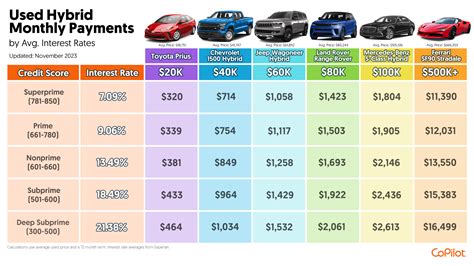
Several pivotal factors directly impact the auto loan rate you are offered, regardless of the year. Your credit score is arguably the most significant determinant, as it provides a snapshot of your financial reliability and history of debt repayment. A higher credit score signals lower risk to lenders, typically resulting in access to lower interest rates and more attractive loan terms.
The down payment you make on the used car also plays a substantial role in reducing your loan amount and interest payments over time. A larger down payment lessens the lender’s exposure and demonstrates your financial commitment, which can lead to better rates. The loan term, or the length of time you have to repay the loan, affects both your monthly payments and the total interest paid. Shorter terms usually come with lower interest rates but higher monthly payments, while longer terms offer lower monthly payments but accumulate more interest over the life of the loan.
Furthermore, your debt-to-income (DTI) ratio, which compares your monthly debt payments to your gross monthly income, is another crucial metric for lenders. A lower DTI indicates that you have sufficient income to manage additional debt, making you a more attractive borrower. The age and mileage of the used car itself can also influence rates, as older or high-mileage vehicles might be considered riskier collateral. Lastly, market interest rates, set by central banks and influenced by economic conditions, provide a baseline for all lending products, making the broader economic climate in 2026 an important consideration.
The 2026 Economic Landscape and Interest Rates
Predicting specific interest rates years in advance is challenging, but general economic trends and central bank policies provide a framework. The Federal Reserve’s monetary policy, particularly the federal funds rate, directly influences borrowing costs across the economy, including auto loans. Factors like inflation rates, unemployment figures, and overall economic growth will shape these policies in 2026.
If inflation remains elevated, central banks might maintain tighter monetary policies, potentially keeping interest rates higher. Conversely, a stable or declining inflationary environment could lead to more accommodative policies and potentially lower rates. Monitoring economic forecasts from reputable financial institutions will be crucial closer to 2026 to anticipate shifts in the lending environment.
Where to Find the Best Used Car Loan Rates
Diversifying your search for an auto loan is one of the most effective strategies to secure the best rates. Traditional banks, credit unions, and online lenders each offer distinct advantages and cater to different borrower profiles. It is advisable to compare offers from at least three different sources before committing to a loan.
Traditional Banks
Major banks often provide competitive rates, especially if you are an existing customer with a strong financial history. They offer a wide range of loan products and services, providing a familiar and often reliable option for many borrowers. However, their approval processes can sometimes be more stringent, and rates might not always be the absolute lowest available.
Credit Unions
Credit unions are member-owned financial institutions known for often offering lower interest rates and more flexible terms than traditional banks. Their non-profit structure allows them to pass savings on to their members in the form of better loan terms. Joining a credit union usually requires meeting certain eligibility criteria, such as residency or employment within a specific area, but the benefits often outweigh this initial step.
Online Lenders
The digital age has ushered in a multitude of online lenders specializing in auto financing, many of which offer quick pre-approvals and highly competitive rates. These platforms leverage technology to streamline the application process, often providing personalized offers within minutes. They are particularly beneficial for comparing multiple offers efficiently and can be a great option for borrowers seeking convenience and speed.
Dealership Financing
While convenient, dealership financing involves working directly with the car seller who acts as an intermediary for various lenders. Dealerships can sometimes offer special promotions or incentives, but their rates may not always be the most competitive compared to direct lenders. It’s wise to arrive at the dealership with a pre-approved loan offer to use as leverage in negotiations.
Strategies to Secure Lower Used Car Loan Rates
Proactive financial planning can significantly enhance your ability to obtain favorable auto loan rates. Focusing on improving your credit profile and demonstrating financial stability are paramount steps in this process. By taking deliberate actions, you can present yourself as a low-risk borrower and access better terms.
Improve Your Credit Score
A higher credit score is the single most impactful factor in securing lower interest rates. Begin by reviewing your credit report for any inaccuracies and dispute them immediately to ensure your score is accurate. Pay all your bills on time, reduce existing debt, and avoid opening too many new credit accounts close to your loan application. These actions consistently demonstrate responsible credit behavior.
Make a Larger Down Payment
A substantial down payment not only reduces the principal amount of your loan but also lowers the lender’s risk. This can translate directly into a lower interest rate offer and potentially a shorter loan term. Aim for at least 20% of the used car’s purchase price if possible, as this significantly improves your loan-to-value (LTV) ratio.
Choose a Shorter Loan Term
While longer loan terms offer lower monthly payments, they typically come with higher interest rates and result in paying more interest over time. Opting for the shortest loan term you can comfortably afford will save you a considerable amount in interest. This strategy also helps you build equity in your vehicle faster.
Consider a Co-signer
If your credit score is less than ideal, a co-signer with excellent credit can significantly improve your chances of approval and secure a lower interest rate. A co-signer agrees to be equally responsible for the loan, providing an added layer of security for the lender. Both parties should fully understand the implications and responsibilities involved before entering such an agreement.
The Pre-Approval Process: A Smart Move
Getting pre-approved for an auto loan before you even set foot in a dealership is a highly recommended strategy. Pre-approval gives you a clear understanding of how much you can afford, allowing you to shop with confidence and focus on finding the right vehicle. It also separates the financing negotiation from the car price negotiation, giving you more control.
When you have a pre-approval in hand, you become a cash buyer in the eyes of the dealership, which can strengthen your bargaining position on the vehicle’s price. This process typically involves a soft credit pull, which doesn’t harm your credit score, allowing you to shop around for the best rates without impact. Once you choose a lender, a hard credit inquiry will occur to finalize the loan.
Navigating Different Used Car Scenarios
The type of used car purchase you make can also influence the available loan options and rates. Whether you’re buying from a private party or a certified pre-owned (CPO) dealership, understanding these distinctions is key. Lenders often have different policies and rates depending on the seller.
Private Party Sales
Financing a car from a private seller can be more complex than buying from a dealership, as lenders may perceive a higher risk. You’ll typically need to secure a direct loan from a bank or credit union that specializes in private party auto loans. Be prepared to provide more detailed information about the vehicle, including VIN and inspection reports, to the lender.
Dealership Certified Pre-Owned (CPO) Vehicles
Certified Pre-Owned vehicles are used cars that have undergone rigorous inspections and often come with extended warranties from the manufacturer. Because CPO vehicles offer more assurances, lenders may offer slightly better rates than for standard used cars. Dealerships may also provide special financing deals for their CPO inventory, making them an attractive option for some buyers.
Common Pitfalls to Avoid in 2026
Even with the best intentions, borrowers can fall victim to common mistakes that cost them money. Being aware of these pitfalls can save you from unnecessary expenses and future financial strain. Diligence and skepticism are your best allies when dealing with auto loans.
Avoid excessive loan terms that stretch beyond 60 or 72 months, as they lead to significantly more interest paid and can leave you upside down on your loan (owing more than the car is worth). Be wary of hidden fees or add-ons that can inflate your loan amount without providing real value. Always read the fine print of any loan agreement carefully, understanding all terms and conditions before signing. Lastly, never feel pressured into making a hasty decision; take your time to compare offers and ensure the loan fits your budget.
Preparing Your Application
To ensure a smooth and efficient loan application process, gather all necessary documents in advance. This preparation not only speeds up approval but also prevents delays that could jeopardize a favorable car deal. Having everything ready demonstrates your readiness and seriousness to lenders.
Typical documents include proof of identity (driver’s license), proof of income (pay stubs, tax returns), proof of residence (utility bills), and your Social Security number. Be prepared to provide information about the used vehicle you intend to purchase, such as its make, model, year, VIN, and estimated price. Some lenders may also request bank statements or references.
Refinancing Options for Used Car Loans
Even after securing an auto loan, circumstances can change, making refinancing a viable option. If your credit score has improved significantly since you took out the original loan or if market interest rates have dropped, refinancing could lead to a lower APR and reduced monthly payments. It’s a strategic move to reassess your loan periodically.
Consider refinancing if you’re looking to lower your interest rate, decrease your monthly payment, or change the loan term. Many lenders specialize in auto loan refinancing and can offer competitive rates. Comparing offers from various refinancing lenders, similar to your initial loan search, is crucial to ensure you get the best possible terms.
Conclusion
Securing the best auto loan rates for used cars in 2026 demands a combination of diligent research, strategic financial planning, and an understanding of market dynamics. By focusing on a strong credit profile, making a substantial down payment, and exploring various lending options, you empower yourself to make an informed decision. Remember that knowledge is your most powerful tool in the pursuit of affordable vehicle financing.
The landscape of auto lending is constantly shifting, but the core principles of good borrowing remain timeless. Take the time to compare offers, negotiate wisely, and choose a loan that aligns with your financial goals and capabilities. Your effort today will translate into significant savings over the life of your used car loan.
Frequently Asked Questions (FAQ)
What is an Annual Percentage Rate (APR) for an auto loan?
The Annual Percentage Rate (APR) is the true cost of borrowing money, encompassing not only the interest rate but also any additional fees or charges associated with the loan. It gives you a standardized way to compare loan offers across different lenders.
Why might used car loan rates be higher than new car loan rates?
Used car loan rates can sometimes be higher because lenders perceive a greater risk with used vehicles. Factors like an unknown maintenance history, faster depreciation, and the potential for mechanical issues can make lenders more cautious, leading to slightly higher interest rates compared to financing a brand-new car.
How does my credit score affect my auto loan rate?
Your credit score is a primary factor in determining your auto loan rate. A higher credit score indicates a lower risk to lenders, allowing you to qualify for lower interest rates and more favorable loan terms. Conversely, a lower credit score often results in higher interest rates.
Is it better to get pre-approved for an auto loan?
Yes, getting pre-approved for an auto loan is highly recommended. It provides you with a clear budget, strengthens your negotiating position at the dealership by making you a ‘cash buyer,’ and allows you to compare loan offers without immediate pressure. This separation of financing from car price negotiations can lead to better overall deals.
What is a good down payment percentage for a used car?
While any down payment helps, aiming for at least 10-20% of the used car’s purchase price is generally considered a good target. A larger down payment reduces the principal loan amount, lowers your monthly payments, decreases the total interest paid, and can help you secure a lower interest rate.
Can I get a good used car loan rate with bad credit?
While challenging, it is possible to get a used car loan with bad credit, though the interest rates will likely be significantly higher. Strategies like making a larger down payment, securing a co-signer with good credit, or considering a shorter loan term can help improve your chances and potentially lower the rate.
What documents do I need for a used car loan application?
Typically, you will need proof of identity (e.g., driver’s license), proof of income (pay stubs, tax returns), proof of residence (utility bills), and your Social Security number. Lenders may also request bank statements or details about the specific used vehicle you intend to purchase.