Home EV Charging Station Installation Cost: Your Ultimate Guide
As electric vehicles (EVs) become increasingly popular, the convenience of charging at home is a significant draw for many owners. Understanding the home EV charging station installation cost is crucial for prospective and current EV drivers planning this upgrade. This comprehensive guide will break down all the factors contributing to the total expense, helping you budget effectively for your home charging solution.
Installing an EV charging station at home offers unparalleled convenience, allowing you to wake up to a fully charged vehicle every day. However, the costs involved can vary widely depending on several key factors, ranging from the type of charger you choose to the specific electrical requirements of your home. We will explore each of these elements in detail, providing a clear picture of what to expect.
Understanding EV Charger Types and Their Costs
Before delving into installation costs, it’s essential to differentiate between the types of EV chargers available for residential use. Each type has different power outputs and, consequently, varying equipment and installation complexities. Knowing these distinctions will help you make an informed decision about which charger best suits your needs and budget.
Level 1 Charging: The Standard Outlet Solution
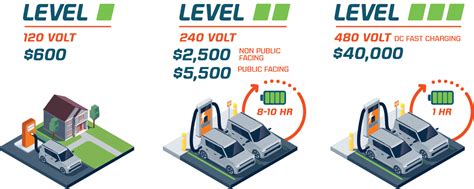
Level 1 charging uses a standard 120-volt AC outlet, which is the same type of wall socket found throughout your home. This method requires no special installation beyond plugging in the charger that typically comes with your EV. It offers the slowest charging speed, adding only about 2-5 miles of range per hour, making it suitable for hybrid vehicles or those with short daily commutes.
The primary advantage of Level 1 charging is its virtually non-existent installation cost, as you just use an existing outlet. However, its slow speed often makes it impractical for many EV owners who need faster charging times. Most people consider Level 1 a temporary solution or a backup for occasional use, not a primary home charging strategy.
Level 2 Charging: The Home Standard
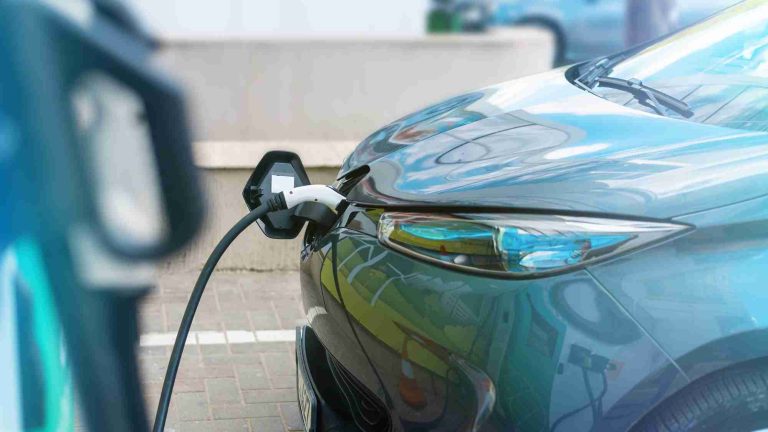
Level 2 charging stations are the most common and practical choice for home EV charging. These units typically connect to a 240-volt circuit, similar to an electric clothes dryer or oven, delivering significantly faster charging speeds than Level 1. A Level 2 charger can add 20-60 miles of range per hour, fully charging most EVs overnight.
The equipment cost for a Level 2 charger (also known as Electric Vehicle Supply Equipment or EVSE) ranges from $300 to $1,000 or more, depending on brand, features (like smart connectivity), and power output. The installation for a Level 2 unit is more complex and typically requires a qualified electrician to ensure safety and compliance with electrical codes. This is where the bulk of the installation cost originates, as it often involves new wiring and potentially electrical panel upgrades.
DC Fast Charging: Not for Home Use
DC fast chargers, or Level 3 chargers, provide extremely rapid charging, often adding hundreds of miles of range in under an hour. However, these powerful stations operate on very high voltage and amperage, making them impractical and prohibitively expensive for residential installation. They are primarily found at public charging stations and commercial sites. Therefore, for home charging purposes, the focus remains almost exclusively on Level 2 installations.
Key Factors Driving Home EV Charger Installation Costs
Several variables significantly influence the total cost of installing a Level 2 EV charging station at your home. Understanding these factors will help you anticipate potential expenses and make informed decisions. It’s not just about the charger itself, but the entire electrical infrastructure required to support it.
The Charging Equipment Itself
The EVSE unit is a primary component of the overall cost, with prices varying based on several features. Chargers come in different power outputs (e.g., 32 amp, 40 amp, 48 amp), which dictate charging speed and the required electrical circuit. Smart chargers offer features like Wi-Fi connectivity, scheduling, and energy monitoring, adding to their price tag but providing greater control over your charging habits.
Some chargers are portable, while others are designed for permanent wall mounting, and cable length can also impact the price. Choosing a reputable brand known for safety and reliability is always recommended, even if it means a slightly higher initial outlay. Researching different models to find one that balances features, power, and cost is a wise first step.
Electrical System Upgrades and Wiring
This category represents the most variable and often the largest portion of the installation cost. A Level 2 charger requires a dedicated 240-volt circuit, typically 40 to 60 amps. If your home’s electrical panel has sufficient available capacity and a spare breaker slot, the wiring process might be relatively straightforward. However, many older homes, or homes with already high electrical demand, may require an electrical panel upgrade to accommodate the new load. This upgrade can be a significant expense, potentially adding thousands of dollars to the total project cost.
The distance between your electrical panel and the desired charging location also plays a crucial role. Longer wire runs mean more materials and labor, especially if the wiring needs to be routed through walls, ceilings, or underground. Conduit may also be required for outdoor runs or exposed wiring, further increasing material and labor costs. An electrician will assess your existing electrical system during an initial consultation to determine these needs accurately.
Labor: The Electrician’s Expertise
Hiring a qualified and licensed electrician is non-negotiable for a safe and code-compliant Level 2 EV charger installation. Electrician labor rates vary by region and the complexity of the job. A typical hourly rate can range from $75 to $150 or more, and a standard installation might take anywhere from 2 to 8 hours, though more complex jobs can take much longer.
The electrician’s expertise ensures that the installation meets all local electrical codes, preventing potential hazards like fires or electrical overloads. They will also correctly size the circuit breaker, wire gauge, and install the EVSE unit according to manufacturer specifications. Always obtain multiple quotes from different licensed electricians to compare costs and ensure you are getting a fair price for their services.
Permits, Inspections, and Local Regulations
In most municipalities, installing an EV charging station, especially a Level 2 unit, requires an electrical permit. This permit ensures that the work complies with local building and electrical codes. The cost of a permit typically ranges from $50 to $200, but it can vary significantly by location. Failing to obtain a permit can lead to fines, require you to redo the work, and potentially invalidate your home insurance in case of an electrical issue.
Once the installation is complete, a local inspector will typically review the work to confirm it meets all safety and code requirements. This inspection is part of the permitting process and is vital for your safety and peace of mind. Your chosen electrician should be familiar with local regulations and handle the permitting process on your behalf, often including the fee in their overall quote.
Site-Specific Challenges and Customizations
Every home is unique, and some installations might present specific challenges that add to the cost. For example, if your charging station is located far from the main electrical panel, or if the wiring needs to run underground to a detached garage, trenching and conduit installation will increase costs significantly. Concrete cutting and patching, or specialized outdoor enclosures, also fall into this category. The type of wall material (e.g., brick vs. drywall) can also affect labor time.
Additionally, some homeowners opt for advanced energy management systems that integrate the EV charger with solar panels or home battery storage. While these add considerable cost upfront, they can offer long-term energy savings and resilience. These customizations, though not always necessary, contribute to the total investment. Discussing your site-specific challenges and desired customizations with your electrician during the initial consultation is crucial for an accurate quote.
Typical Cost Ranges for Home EV Charger Installation
Given the many variables, providing an exact number for home EV charging station installation cost is challenging. However, we can offer general ranges based on common scenarios. These estimates typically include the EVSE unit, labor, and basic materials but might exclude significant electrical panel upgrades or extensive trenching. Remember that these are averages, and actual costs can vary.
Scenario 1: Simple Installation (Average: $500 – $1,200)
This scenario applies when your electrical panel is relatively new, has sufficient spare capacity, and the charger can be installed on an exterior wall directly opposite or very close to the panel. Minimal wiring is needed, typically less than 10-20 feet, and no panel upgrade is required. The electrician can quickly run the new 240-volt circuit and mount the EVSE. This is the ideal, most cost-effective situation for installation.
This range assumes a basic Level 2 charger and standard labor rates. Homes built within the last 10-15 years are more likely to fall into this category. The permit cost is also factored into this lower end. A simple installation is often completed within a single day, minimizing labor hours.
Scenario 2: Moderate Complexity (Average: $1,200 – $2,500)
This is the most common scenario for many homeowners, especially those with older homes or where the charging station is located further from the electrical panel. It might involve longer wire runs (20-50 feet), routing through interior walls, or minor adjustments to the electrical panel like replacing an existing breaker with a higher amperage one, but not a full panel replacement. The existing electrical panel generally has enough capacity but might need some minor re-configuration. The additional complexity requires more labor and materials, pushing the cost higher.
This range also includes the cost of a slightly more advanced Level 2 charger and any necessary conduit for protected wiring. The installation might span over a day or require more intensive work due to the longer distance. Electricians often encounter this type of situation, as it balances the need for a dedicated circuit with existing home infrastructure. Site-specific factors, such as drilling through multiple studs or installing conduit in visible areas, can also contribute to this moderate cost.
Scenario 3: High Complexity/Major Upgrades (Average: $2,500 – $5,000+)
This scenario arises when significant electrical work is necessary, or the installation site presents considerable challenges. The most common reason for a higher cost is the need for an electrical panel upgrade, which can cost $1,500 to $4,000 on its own, depending on the panel size and complexity. This is often required in older homes with 100-amp service that cannot handle the additional load of a Level 2 charger.
Other factors contributing to high complexity include extensive trenching for underground wiring to a detached garage or remote parking spot, or significant structural modifications. These complex installations require more specialized labor, materials, and potentially additional permitting. While these costs can seem substantial, they are an investment in future convenience and potentially increased home value. Always get a detailed quote for complex jobs to understand every component of the expense. Some extremely complex installations in very large properties or those requiring extensive civil work can even exceed $5,000.
Maximizing Savings: Incentives and Smart Choices
While the initial cost of installing a home EV charging station can be significant, several programs and strategic decisions can help offset these expenses. Researching available incentives and making smart choices about your equipment can lead to substantial savings.
Federal Tax Credits
The U.S. federal government has historically offered tax credits for installing qualified alternative fuel vehicle refueling property, including EV chargers. The Alternative Fuel Vehicle Refueling Property Credit (IRS Form 8911) can provide a tax credit for a percentage of the equipment and installation costs, up to a certain limit. These credits can change, so it’s important to check the current IRS guidelines or consult a tax professional. Typically, this credit has been 30% of the cost, up to $1,000, but always verify the most current legislation.
This credit directly reduces your tax liability, making it a valuable incentive for many homeowners. Keeping detailed records of your charger purchase and installation expenses is essential for claiming the credit successfully. Understanding such incentives can significantly reduce your overall financial burden.
State and Local Rebates
Many state and local governments offer their own rebates or incentives to encourage EV adoption and infrastructure development. These can come in the form of direct rebates, grants, or additional tax credits. For instance, some states might offer a rebate of several hundred dollars for the purchase and installation of a Level 2 charger. Checking your state’s energy department or environmental agency websites is a good starting point.
These programs are often designed to make EV ownership more accessible and can significantly lower your out-of-pocket costs. Specific cities or counties might also have their own initiatives, so a thorough local search is highly recommended. Combining federal, state, and local incentives can dramatically reduce the net installation cost.
Utility Company Programs
Many electric utility companies offer programs and incentives to their customers for installing home EV charging stations. These can include rebates on the charger equipment, reduced installation costs through preferred contractors, or special time-of-use (TOU) electricity rates designed to encourage off-peak charging. Some utilities also offer programs for smart chargers that can help balance grid load. These programs aim to manage the increased electricity demand from EVs and incentivize smart charging habits. Contacting your local utility provider directly is crucial to learn about any available programs in your service area. Enrolling in TOU plans, for example, can lead to lower operating costs for your EV in the long run.
Choosing the Right Charger for Your Needs
Selecting an EVSE unit that matches your vehicle’s charging capabilities and your driving habits can prevent unnecessary expenses. While a 48-amp charger offers the fastest home charging, if your car can only accept 32 amps, installing a more powerful unit might be overkill and needlessly expensive. Similarly, if your daily commute is short, a slightly slower (and cheaper) charger might be perfectly adequate. Considering smart features can also lead to long-term savings by optimizing charging schedules to take advantage of lower electricity rates. Always balance current needs with potential future requirements for your next EV, but avoid overspending on features you won’t utilize. Some chargers also offer load balancing features, which can prevent the need for costly electrical panel upgrades by intelligently distributing power.
The Installation Process: What to Expect
Understanding the typical steps involved in home EV charger installation can help manage expectations and ensure a smooth process. While every installation is unique, the general workflow remains consistent.
Assessment and Quote
The first step involves a qualified electrician visiting your home to assess your existing electrical system, including your main electrical panel, and discuss your desired charging location. They will evaluate the distance, the feasibility of running new wiring, and determine if any upgrades are necessary. Based on this assessment, the electrician will provide a detailed quote outlining equipment, labor, and material costs. This initial consultation is critical for understanding the scope of work and potential expenses.
Permitting
Once you approve the quote, the electrician will typically handle obtaining the necessary electrical permits from your local municipality. This step ensures that the installation adheres to all safety and building codes. The permitting process can take a few days to several weeks, depending on local government efficiency. It’s a mandatory step to protect your investment and ensure legal compliance.
Installation Work
After permits are secured, the electrician will schedule the installation. This involves running the new 240-volt circuit from your electrical panel to the charging location, installing a new circuit breaker, mounting the EVSE unit, and connecting all the wiring. This process can range from a few hours for simple installations to a full day or more for complex jobs involving panel upgrades or extensive wiring. The electrician will also test the charger to ensure it functions correctly and safely.
Inspection
Upon completion of the installation, a city or county inspector will typically review the work. The inspector verifies that the installation meets all local electrical codes and safety standards. Once the inspection passes, the installation is officially complete and safe for use. This final step provides peace of mind and formal approval of the work. Your electrician will coordinate this inspection, which is usually included in the permit process.
Beyond the Initial Cost: Long-Term Value and Convenience
While the upfront home EV charging station installation cost is a key consideration, it’s important to view it as an investment with significant long-term benefits. The convenience of charging your EV at home cannot be overstated, eliminating the need to search for public charging stations or wait in lines. This daily convenience alone adds substantial value to your EV ownership experience.
Furthermore, home charging can often be more cost-effective than relying solely on public fast chargers, especially if you take advantage of off-peak electricity rates. You’ll save money on gasoline, and potentially on public charging fees, making the upfront investment pay for itself over time. An EV charger can also increase your home’s resale value, appealing to a growing segment of environmentally conscious buyers. The peace of mind and daily readiness of your vehicle are invaluable perks, transforming your driving experience.
Conclusion
The home EV charging station installation cost is a multifaceted expense influenced by charger type, electrical system needs, labor, and local regulations. While simple installations can range from $500 to $1,200, more complex projects involving panel upgrades or extensive wiring can easily push costs to $2,500 to $5,000 or more. Understanding these variables is key to planning your budget effectively.
By leveraging federal, state, and utility incentives, choosing the right charger for your needs, and hiring a qualified electrician, you can manage these costs and ensure a safe, efficient, and convenient home charging solution. Investing in a home EV charger is not just about the immediate expense; it’s about embracing the future of transportation and enjoying unparalleled convenience for years to come. Ultimately, the cost is an investment in your sustainable lifestyle and daily driving ease.
Frequently Asked Questions (FAQ)
What is the average cost to install a Level 2 EV charger at home?
The average cost for a Level 2 EV charger installation at home typically ranges from $500 to $2,500. This estimate includes the cost of the charger unit itself, professional electrician labor, materials, and basic permitting fees. However, costs can significantly increase to $2,500 – $5,000+ if major electrical panel upgrades or extensive wiring work are required due to specific home conditions.
Do I need a special electrician to install an EV charger?
Yes, it is highly recommended and often mandatory by local codes to hire a licensed and qualified electrician for Level 2 EV charger installation. They have the expertise to assess your home’s electrical system, ensure the installation meets all safety standards, and handle necessary permits. Look for electricians with experience in EV charger installations.
Can I install an EV charger myself?
While Level 1 chargers (standard wall outlets) require no special installation, Level 2 EV charger installation should only be performed by a licensed electrician. Working with 240-volt circuits is dangerous for untrained individuals and improper installation can lead to electrical hazards, fires, or damage to your home and vehicle. Additionally, professional installation ensures compliance with electrical codes and often protects your home insurance.
Will I need to upgrade my electrical panel to install an EV charger?
It depends on your home’s existing electrical capacity and the amperage of the EV charger you choose. Many older homes with 100-amp service may require an electrical panel upgrade to safely accommodate the dedicated 240-volt circuit needed for a Level 2 charger. An electrician will assess your panel’s capacity during the initial consultation to determine if an upgrade is necessary, which can add significant cost.
What’s the difference between Level 1 and Level 2 EV charging?
Level 1 charging uses a standard 120-volt household outlet, adding about 2-5 miles of range per hour, and requires no special installation. Level 2 charging uses a 240-volt circuit, adding 20-60 miles of range per hour, and is the most common home charging solution requiring professional installation. Level 3 (DC Fast Charging) is for public use only due to its high power requirements.
Are there any rebates or tax credits for EV charger installation?
Yes, many federal, state, and local governments, as well as utility companies, offer incentives. The U.S. federal government often provides a tax credit for a percentage of the equipment and installation costs (e.g., 30% up to $1,000). Many states and utilities also offer rebates or special programs. It’s essential to research current incentives applicable to your specific location and consult a tax professional.
How long does the EV charger installation process typically take?
The physical installation of a Level 2 EV charger typically takes a licensed electrician anywhere from 2 to 8 hours for a straightforward job. However, the entire process, including initial assessment, obtaining permits, and scheduling the installation and inspection, can take several days to a few weeks depending on the complexity of the job and local permit office efficiency.