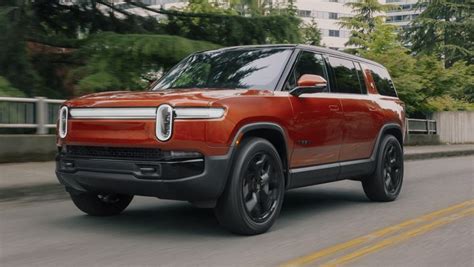
Top Longest Range Electric SUVs Under $50,000: An Affordable EV Guide
The transition to electric vehicles (EVs) is accelerating globally, driven by environmental concerns and advancements in battery technology. For many consumers, finding an electric SUV that combines an impressive driving range with an accessible price point under $50,000 is a significant challenge yet a highly sought-after goal.
This comprehensive guide delves into the current market offerings, highlighting the best contenders for longest range electric SUVs that won’t break the bank. Understanding these options is crucial for making an informed decision in a rapidly evolving automotive landscape.
Why Range and Affordability Matter in EV Selection
For potential EV buyers, range anxiety remains a primary concern, referring to the fear of an EV running out of power before reaching a charging station. A longer driving range provides greater peace of mind, especially for commuters or those undertaking longer journeys.
Equally important is affordability, as the upfront cost of electric vehicles can still be higher than their gasoline counterparts. The $50,000 price cap serves as a critical threshold, opening up the EV market to a broader segment of buyers seeking value without compromising on essential features or range capabilities.
Understanding EV Range Ratings
Electric vehicle range is typically rated by the Environmental Protection Agency (EPA) in the United States, providing a standardized estimate of how far a vehicle can travel on a full charge. This rating considers a mix of city and highway driving conditions to give a realistic benchmark for consumers. However, actual range can vary based on driving style, speed, temperature, and terrain, which are factors every EV owner quickly learns to manage.
It’s important to differentiate between advertised range and real-world performance, as various external and internal factors can influence how far an EV truly goes. Always consider multiple sources and user reviews when assessing a vehicle’s practical range capabilities.
The Importance of Price Caps
The $50,000 price point for an electric SUV is a sweet spot for many budget-conscious buyers looking to make the switch to electric. This segment of the market balances advanced EV technology with a more accessible investment, often qualifying for various federal, state, and local incentives. These incentives, which can include tax credits or rebates, further reduce the net cost of ownership, making EVs even more attractive.
Careful consideration of the manufacturer’s suggested retail price (MSRP) before any incentives is vital to ensure the vehicle initially falls within the target budget. Understanding the total cost of ownership, including charging costs and maintenance, also contributes significantly to the overall value proposition.
Key Factors Influencing EV Range
Several critical factors determine an electric SUV’s driving range, going beyond just the battery size. Understanding these elements can help buyers make more informed decisions and manage their expectations regarding real-world performance. A holistic view of vehicle design and technology contributes to its overall efficiency and range.
Battery Capacity and Chemistry
The most direct determinant of an EV’s range is its battery capacity, measured in kilowatt-hours (kWh). A larger battery generally means a longer range, as it can store more energy for the electric motors to utilize. Battery chemistry also plays a role, with ongoing advancements leading to more energy-dense and efficient battery packs.
Modern lithium-ion batteries are standard, but variations in their composition and manufacturing processes can impact not only range but also charging speed and long-term degradation. Researching a specific model’s battery technology provides valuable insight into its performance characteristics.
Aerodynamics and Vehicle Design
An often-underestimated factor is the vehicle’s aerodynamic design, which significantly impacts energy consumption, especially at higher speeds. EVs with sleeker profiles and optimized underbodies experience less drag, allowing them to travel farther on a single charge. Manufacturers invest heavily in designing efficient body shapes to maximize range.
Weight is another crucial element; lighter vehicles require less energy to move, thus enhancing their range capabilities. Engineering materials and chassis design contribute to keeping the overall vehicle weight down without compromising safety or structural integrity.
Driving Habits and Environmental Conditions
The way an EV is driven profoundly affects its real-world range, with aggressive acceleration and high speeds rapidly depleting the battery. Smooth driving, utilizing regenerative braking, and maintaining moderate speeds can significantly extend the usable range. Just like gasoline cars, efficient driving habits translate directly into better fuel economy, or in this case, better battery economy.
Environmental factors such as extreme temperatures also play a significant role, as both very cold and very hot weather can reduce battery efficiency and require more energy for cabin heating or cooling. Planning routes with charging stops, especially in adverse conditions, becomes a practical consideration for EV owners.
Top Contenders: Longest Range Electric SUVs Under $50,000
Identifying specific models that consistently offer excellent range and fall within the $50,000 budget requires careful examination of current market prices and EPA estimates. While prices can fluctuate and vary by trim, the following vehicles generally represent strong choices in this segment. It is always recommended to check the latest pricing and available trims from local dealerships.
Hyundai Kona Electric
The Hyundai Kona Electric consistently offers one of the best ranges for its price point, making it a compelling option for many buyers. With an EPA-estimated range often exceeding 250 miles, it provides ample travel distance for daily commutes and weekend adventures. This compact SUV blends practicality with efficiency, featuring a comfortable interior and a responsive powertrain.
Its relatively small footprint makes it agile in urban environments, while its impressive range dispels much of the typical range anxiety associated with electric vehicles. The Kona Electric delivers a balanced package of performance, efficiency, and value for money.
Chevrolet Bolt EUV
Building on the success of the Bolt EV, the Chevrolet Bolt EUV (Electric Utility Vehicle) offers a slightly larger, more SUV-like body while retaining an excellent range. It typically boasts an EPA-estimated range in the mid-200s, providing a robust option for drivers seeking extended travel capabilities. The EUV features more rear legroom and a slightly more rugged appearance than its hatchback sibling.
Chevy has focused on delivering a comfortable and feature-rich interior, often including advanced driver-assistance systems even in its more affordable trims. Its combination of range, space, and technology positions it as a strong contender in the sub-$50,000 electric SUV category.
Kia Niro EV
The Kia Niro EV shares a platform with the Hyundai Kona Electric, and as such, it also delivers a highly competitive range, often similar to or slightly above 250 miles. This vehicle presents a stylish and practical package, appealing to those who appreciate a more conventional crossover aesthetic. The Niro EV is known for its smooth ride and intuitive infotainment system.
Kia has positioned the Niro EV as a versatile family vehicle, offering a decent amount of cargo space and a comfortable cabin for both front and rear passengers. Its strong warranty and reputation for reliability further enhance its appeal in the affordable long-range EV market.
Volkswagen ID.4 (Base Pro Trim)
The Volkswagen ID.4 has emerged as a significant player in the electric SUV segment, with its base Pro trim often falling just within or very close to the $50,000 mark before incentives. This trim typically offers an EPA-estimated range upwards of 270 miles, making it one of the longest-range options in its class. The ID.4 boasts a spacious interior and a comfortable, quiet ride, embodying European engineering with a focus on practicality.
Its clean, minimalist design and user-friendly technology, including an intuitive infotainment system, appeal to a wide audience. The ID.4 represents a strong move by Volkswagen into the mainstream EV market, providing a substantial option for those seeking range, space, and modern features.
Beyond Range: Other Crucial Considerations
While range and price are paramount, a holistic evaluation of an electric SUV involves looking at several other factors that contribute to the overall ownership experience. These additional considerations ensure that the chosen vehicle meets all lifestyle needs, not just travel distance requirements. A well-rounded decision balances efficiency with practicality and comfort.
Charging Infrastructure and Speed
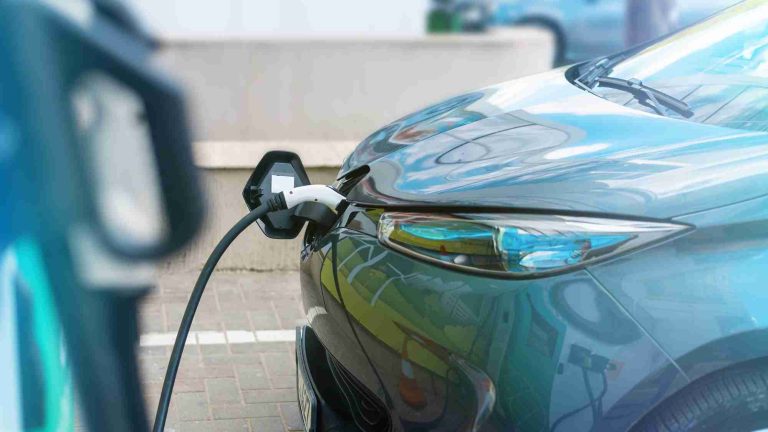
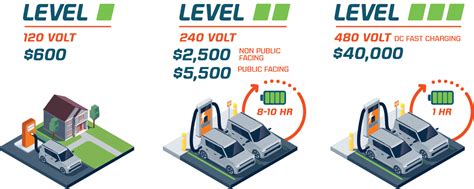
Access to charging infrastructure, both at home and on the go, is a vital aspect of EV ownership. Buyers should consider their daily driving patterns and availability of Level 2 (240V) charging at home, which can fully replenish a battery overnight. Public DC fast charging capabilities are essential for longer trips, enabling quick top-ups during travel.
Different EVs support varying fast-charging speeds, measured in kilowatts (kW), impacting how quickly you can get back on the road. Understanding the charging ecosystem and a vehicle’s specific charging port (e.g., CCS, NACS) is fundamental for convenient and efficient travel.
Interior Space and Comfort
An SUV, electric or not, is often chosen for its practicality, including passenger and cargo space. Buyers should evaluate the interior dimensions, seating comfort, and overall cabin ergonomics to ensure it meets their needs. An electric platform often allows for more creative interior packaging, leading to surprisingly spacious cabins for their exterior dimensions.
Consider features like panoramic sunroofs, heated seats, and premium materials, which can significantly enhance the driving and passenger experience. The utility of an SUV is paramount, and these elements contribute to its overall livability.
Technology and Infotainment
Modern EVs are often packed with advanced technology, from large touchscreen infotainment systems to sophisticated driver-assistance features. Assessing the user-friendliness of these systems, smartphone integration (Apple CarPlay/Android Auto), and available connectivity options is important. Intuitive controls and a responsive interface can make a big difference in daily usage.
Look for features like over-the-air (OTA) updates, which can improve vehicle software and add new functionalities over time. These technological advancements not only enhance convenience but also contribute to the future-proofing of the vehicle.
Safety Features
Safety remains a top priority for any vehicle purchase, and electric SUVs are no exception. Modern EVs typically come equipped with a suite of active and passive safety features, including multiple airbags, stability control, and advanced driver-assistance systems (ADAS) such as automatic emergency braking, lane-keeping assist, and adaptive cruise control. Checking crash test ratings from organizations like the IIHS or NHTSA provides objective safety information.
Many EVs also benefit from a low center of gravity due to their underfloor battery packs, which can improve handling and reduce the risk of rollovers. A thorough review of a vehicle’s safety credentials is non-negotiable for peace of mind.
Resale Value and Brand Reputation
While still a relatively new market, the resale value of electric vehicles is an emerging consideration. Factors like battery degradation warranties, brand reputation, and the pace of technological advancement can influence how well an EV holds its value over time. Established automakers with a strong track record in manufacturing and customer support often instill greater confidence in buyers.
Researching long-term reliability reports and available warranty coverage for the battery and powertrain components is a prudent step. A solid brand reputation often translates into better service network availability and parts accessibility, which are important for long-term ownership.
The Future of Affordable Long-Range EVs
The landscape of electric vehicles is rapidly evolving, with new models and technological advancements constantly emerging. As battery technology improves and manufacturing processes become more efficient, we can expect to see even longer range EVs at increasingly competitive price points. Government incentives and market competition will continue to drive down costs, making EVs more accessible to everyone.
Further expansion of charging infrastructure and standardization of charging technologies will also alleviate range anxiety and simplify the ownership experience. The commitment from global automakers to electrify their lineups ensures a vibrant future for affordable, long-range electric SUVs.
Conclusion
Choosing the longest range electric SUV under $50,000 involves a careful balance of budget, range requirements, and desirable features. Models like the Hyundai Kona Electric, Chevrolet Bolt EUV, Kia Niro EV, and the base Volkswagen ID.4 consistently stand out as excellent options, offering impressive range without an exorbitant price tag. These vehicles demonstrate that going electric doesn’t necessarily mean compromising on distance or emptying your wallet.
By considering not only range and price but also charging capabilities, interior comfort, technology, safety, and brand reputation, buyers can find an electric SUV that perfectly fits their lifestyle and budget. The future of affordable, long-range electric mobility is here, offering exciting possibilities for sustainable driving.
Frequently Asked Questions (FAQ)
What is considered a good range for an electric SUV?
A good range for an electric SUV typically falls between 250 to 300 miles on a single charge, according to EPA estimates. This range provides sufficient flexibility for most daily commutes and allows for comfortable longer journeys with fewer charging stops, significantly reducing range anxiety for drivers.
Do EV ranges decrease over time?
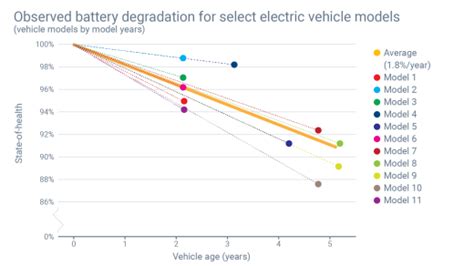
Yes, like all batteries, EV batteries can experience some degradation over time and with extensive use, leading to a slight decrease in maximum range. However, modern EV batteries are designed to be highly durable, and manufacturers often provide extensive warranties (typically 8 years/100,000 miles) that cover significant capacity loss. The rate of degradation is usually slow and often not noticeable in daily driving for many years.
Are electric SUVs really cheaper to own than gasoline SUVs?
In many cases, yes, electric SUVs can be cheaper to own over their lifetime. While the upfront cost might be higher, EVs generally have lower ‘fuel’ costs (electricity is often cheaper per mile than gasoline) and significantly lower maintenance costs due to fewer moving parts. Additionally, government incentives and tax credits can substantially reduce the initial purchase price, contributing to long-term savings.
What government incentives are available for buying an EV?
Government incentives vary by region but often include federal tax credits (like the up to $7,500 Clean Vehicle Tax Credit in the U.S., subject to eligibility criteria), state rebates, and local programs such as reduced vehicle registration fees or access to HOV lanes. These incentives are designed to encourage EV adoption and can significantly lower the effective purchase price, so it’s essential to research what’s available in your specific area.
How does temperature affect EV range?
Extreme temperatures, both hot and cold, can affect EV range. In cold weather, batteries are less efficient, and energy is used to heat the cabin and condition the battery, leading to a noticeable reduction in range. Similarly, in very hot weather, energy is consumed for cabin cooling and battery temperature management, though typically to a lesser extent than in extreme cold. Pre-conditioning the cabin while plugged in can mitigate some of these effects.
What is the difference between Level 2 and DC fast charging?
Level 2 charging uses a 240-volt outlet (like an electric dryer) and is suitable for home or workplace charging, typically fully charging an EV overnight. DC (Direct Current) fast charging, on the other hand, uses much higher power, enabling a significant charge (e.g., 80% in 20-60 minutes) and is primarily found at public charging stations along highways for long-distance travel. The speed difference is substantial, making DC fast charging crucial for road trips.