
10 Tips On Whether Having A Sports Car Increase Insurance Costs
Having a sports car increase insurance is a question many drivers consider before purchasing a high-performance vehicle. Sports cars are often associated with speed, style, and driving excitement, yet they also raise concerns about higher ownership costs, particularly insurance premiums. Insurers evaluate multiple risk factors when pricing auto insurance, and sports cars tend to score higher on several of these metrics.
Understanding whether having a sports car increase insurance costs requires looking beyond assumptions and examining how insurers calculate risk, repair expenses, driver behavior, and long-term claim patterns. The following ten tips explain the key factors that influence insurance pricing for sports cars and help drivers make informed decisions before committing to ownership.
1. Vehicle Performance And Speed Capabilities
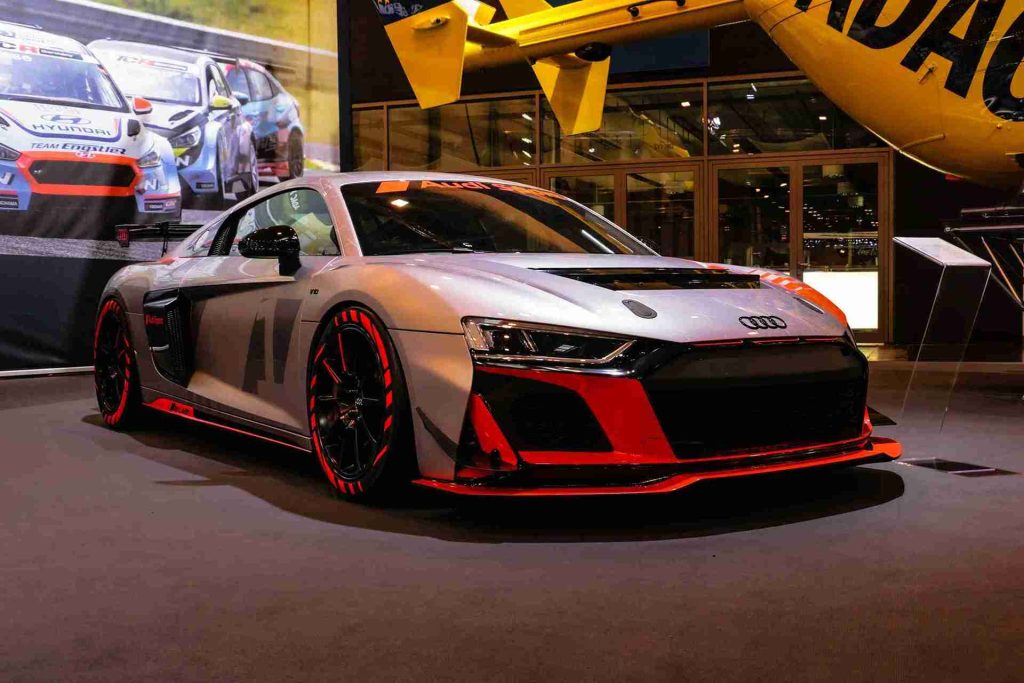
One of the primary reasons having a sports car increase insurance premiums is the performance capability of these vehicles. Sports cars are engineered for high acceleration, top speed, and responsive handling, which insurers associate with a greater likelihood of high-speed accidents. Even if a driver never pushes the vehicle to its limits, insurers price policies based on the car’s potential rather than individual intent. Higher horsepower and faster acceleration increase perceived risk, which directly affects insurance costs.
2. Higher Repair And Replacement Costs
Repair expenses play a significant role in why having a sports car increase insurance rates. Sports cars often use specialized parts, lightweight materials, advanced braking systems, and performance-oriented components that are expensive to repair or replace. Even minor accidents can result in costly damage, especially when body panels or performance systems are involved. Insurers account for higher average claim costs by charging higher premiums to offset potential payouts.
3. Increased Theft And Vandalism Risk
Another factor behind having a sports car increase insurance is the elevated risk of theft and vandalism. Sports cars are attractive targets due to their high resale value, brand recognition, and desirability. Insurers rely on theft statistics when calculating premiums, and vehicles with higher theft rates typically cost more to insure. Even when equipped with security features, the overall risk profile remains higher compared to standard vehicles.
4. Insurance Classification And Risk Group Placement
Insurers classify vehicles into risk groups, which strongly influences whether having a sports car increase insurance costs. Sports cars are often placed in higher risk categories due to their performance, repair costs, and historical claim data. These classifications are standardized across many insurance providers, meaning drivers may see consistently higher quotes regardless of insurer. Vehicle classification alone can significantly raise premiums before personal factors are even considered.
5. Driver Demographics And Usage Patterns
Driver profiles affect having a sports car increase insurance costs more than many buyers expect. Insurers analyze how sports cars are typically used, including patterns of aggressive driving, higher annual mileage for leisure driving, or increased accident severity. Younger drivers or those with limited driving history face even higher premiums when insuring sports cars, as insurers combine vehicle risk with driver risk to calculate overall exposure.
6. Limited Safety And Practicality Compared To Standard Cars
While modern sports cars include safety features, insurers still associate them with higher injury risk, contributing to having a sports car increase insurance rates. Sports cars often have lower ride height and stiffer suspensions, which may increase injury severity in certain accidents. Additionally, limited cargo space and seating practicality can influence usage patterns, leading insurers to assume different driving behaviors compared to family-oriented vehicles.
7. Costly Insurance Coverage Requirements
Sports car owners often choose or are required to carry higher coverage limits, which reinforces why having a sports car increase insurance expenses. Lenders may require full coverage, including comprehensive and collision insurance, for high-value vehicles. Higher coverage limits and lower deductibles increase premium costs. Even optional add-ons, such as agreed value coverage, can further raise insurance expenses for sports cars.
8. Advanced Technology And Performance Features
Modern sports cars are equipped with advanced technology that affects having a sports car increase insurance pricing. Features such as adaptive suspension, performance driving modes, advanced driver assistance systems, and specialized electronics increase repair complexity. When these systems are damaged, recalibration and specialized labor are required, increasing claim severity. Insurers factor these technology-related costs into premiums.
9. Insurance Claim Severity And Historical Data
Historical claim data heavily influences whether having a sports car increase insurance costs. While sports cars may not be involved in more accidents overall, the severity of claims tends to be higher. Accidents involving sports cars often result in greater property damage or higher repair bills. Insurers prioritize claim severity when setting rates, which explains why sports cars consistently carry higher insurance premiums across markets.
10. Strategies To Manage Sports Car Insurance Costs
Understanding having a sports car increase insurance does not mean drivers have no control over costs. Choosing a model with strong safety ratings, installing advanced security systems, maintaining a clean driving record, and selecting higher deductibles can help reduce premiums. Shopping around, bundling policies, and working with insurers familiar with performance vehicles can also improve pricing outcomes. Strategic decisions allow owners to manage insurance expenses more effectively.
Conclusion
Evaluating whether having a sports car increase insurance costs requires a realistic assessment of risk, repair expenses, and insurer pricing models. Sports cars carry higher premiums due to performance capabilities, repair costs, theft risk, and historical claim severity rather than assumptions about individual drivers. While insurance expenses are undeniably higher, informed buyers can mitigate costs through careful vehicle selection, responsible driving habits, and strategic insurance planning. Understanding how insurers view sports cars empowers drivers to balance passion for performance with responsible financial decision-making.