Top-Rated Performance Tires For Wet Conditions: 2024 Buyer’s Guide
Navigating adverse weather requires optimal vehicle control, and a critical component in achieving this is having the best performance tires for wet conditions. This comprehensive guide reviews top-rated tires specifically engineered to maintain superior grip and stability when roads are slick with rain.
Understanding the intricate science behind wet weather tire performance is crucial for making an informed purchasing decision. We will delve into key technologies, design elements, and specific tire models that excel in these challenging environments. Ultimately, selecting the right tires can significantly enhance safety and driving confidence in rainy climates.
Understanding Wet Weather Tire Performance
Driving on wet roads presents unique challenges, primarily due to the reduced friction between the tire and the road surface. Water acts as a lubricant, diminishing the tire’s ability to grip effectively and increasing the risk of losing control. Performance tires for wet conditions are specifically designed to counteract these adverse effects through advanced engineering.
These specialized tires aim to maximize water evacuation and maintain consistent contact with the asphalt. Their innovative designs prioritize safety and responsiveness, providing drivers with greater confidence even during heavy downpours.
Hydroplaning: The Enemy of Wet Grip
Hydroplaning, also known as aquaplaning, occurs when a layer of water builds up between the tire’s tread and the road surface. This phenomenon causes the tire to lose direct contact with the road, leading to a complete loss of traction and steering control. It is a critical hazard that wet-specific tire designs strive to prevent.
The speed at which hydroplaning can occur depends on several factors, including tire design, tire pressure, vehicle weight, and the depth of the water on the road. Effective wet weather tires are engineered to minimize this risk, allowing drivers to maintain control even at higher speeds.
Key Technologies for Wet Performance
Modern performance tires incorporate several advanced technologies to enhance wet weather grip. These innovations primarily focus on tread design, rubber compounds, and overall tire construction. Each element plays a vital role in ensuring consistent performance when the roads are wet.
For instance, specialized rubber compounds remain flexible at lower temperatures and are formulated to provide exceptional adhesion to wet surfaces. Furthermore, intricate tread patterns are crucial for channeling water away from the contact patch, thereby maintaining direct road contact.
Factors to Consider When Choosing Wet Performance Tires
Selecting the ideal performance tire for wet conditions involves evaluating several critical factors beyond just brand recognition. Each characteristic contributes significantly to the tire’s overall effectiveness and safety in rainy environments. Drivers should carefully assess their specific needs and driving style.
Considerations include the unique properties of tread patterns, the chemical composition of the rubber compound, and the structural integrity of the tire’s sidewall. A balanced approach to these features ensures optimal performance and longevity for your vehicle.
Tread Pattern and Siping
The tread pattern is perhaps the most visually distinct and functionally crucial element of a wet weather tire. It features large circumferential grooves and numerous sipes, which are small, thin slits cut into the tread blocks. These elements are designed to efficiently evacuate water from beneath the tire’s contact patch.
Wide, deep grooves act like channels, pushing water outwards, while sipes create additional biting edges that cut through thin films of water for enhanced grip. An aggressive, unidirectional tread often indicates a tire optimized for water dispersion and resistance to hydroplaning. This design ensures that the tire maintains maximum contact with the road surface.
Rubber Compound
The rubber compound, or mixture of polymers and additives, is specifically formulated for wet traction. These compounds typically contain a higher silica content, which significantly improves grip on wet surfaces without compromising too much on dry handling. This specialized blend allows the tire to remain pliable and adhere better to slick roads.
Unlike standard compounds, performance wet weather compounds are engineered to dissipate heat effectively and maintain consistent performance across varying wet temperatures. This ensures that the tire continues to provide reliable grip even during sudden changes in weather conditions. The chemical composition is a major determinant of how well a tire performs in the rain.
Sidewall Stiffness and Handling
While often overlooked in wet performance discussions, sidewall stiffness plays a role in the tire’s overall handling characteristics. A stiffer sidewall can provide more responsive steering and better feedback to the driver, which is crucial for maintaining control in challenging wet conditions. This design contributes to the tire’s predictability and stability.
However, an overly stiff sidewall might also reduce the tire’s ability to absorb road imperfections, potentially leading to a slightly harsher ride. Engineers aim for an optimal balance that enhances performance without sacrificing comfort. The sidewall’s construction directly influences how the tire reacts to steering inputs and lateral forces.
Speed and Load Ratings
Speed and load ratings are crucial indicators of a tire’s intended performance capabilities and safety limits. The speed rating indicates the maximum speed a tire can safely sustain for a prolonged period, while the load rating specifies the maximum weight it can carry. It is imperative to always choose tires that meet or exceed your vehicle’s manufacturer specifications.
Using tires with inadequate ratings can compromise safety, especially when driving at higher speeds or carrying heavy loads in wet conditions. These ratings ensure that the tire can withstand the forces and stresses it will encounter during operation. Always verify these specifications before purchasing new tires to ensure optimal performance and safety.
Top Performance Tires for Wet Conditions: A Detailed Review
When selecting the best performance tires for wet conditions, several models consistently stand out for their exceptional capabilities. These tires combine cutting-edge technology, superior materials, and thoughtful design to deliver confidence-inspiring grip and control in the rain. Our review highlights some of the leading contenders in this specialized category.
Each tire offers a unique blend of features designed to maximize water evacuation, enhance traction, and provide predictable handling on slick surfaces. Drivers looking for reliable wet weather performance should consider these highly-rated options. We will explore their specific strengths and ideal applications for various driving needs.
Michelin Pilot Sport 4S: The Benchmark for All-Round Performance
The Michelin Pilot Sport 4S is widely regarded as a benchmark for ultra-high performance tires, excelling in both dry and wet conditions. Its Dynamic Response Technology ensures excellent steering precision, while a multi-compound construction optimizes grip. The tire features wide, deep grooves that effectively channel water away, significantly reducing the risk of hydroplaning.
Drivers praise its consistent performance, offering predictable handling and superb wet braking capabilities. While it comes at a premium price, the Pilot Sport 4S delivers exceptional safety and exhilarating driving dynamics in various weather conditions. Its longevity also often justifies the initial investment for many performance enthusiasts.
Continental ExtremeContact Sport 02: Responsive Wet Grip
The Continental ExtremeContact Sport 02 builds upon the success of its predecessor, offering enhanced wet performance and increased mileage. It features an asymmetric tread design with large outer blocks for dry handling and substantial inner grooves for superior water evacuation. The SportPlus Technology rubber compound is specifically engineered for maximum wet and dry grip.
This tire provides a balanced performance profile, delivering excellent steering response and confident braking on wet roads. Its strong hydroplaning resistance makes it a top choice for drivers frequently encountering heavy rain. The ExtremeContact Sport 02 offers a compelling combination of performance and value.
Goodyear Eagle F1 SuperSport: Track-Ready Wet Capability
The Goodyear Eagle F1 SuperSport is designed for drivers who demand track-level performance but also require reliable wet weather capabilities for street use. It utilizes a high-performance compound and an ultra-stiff sidewall for exceptional stability and cornering grip. The tire’s sophisticated tread features large outer blocks for dry stability and an intricate inner section for enhanced wet traction.
This aggressive design facilitates rapid water displacement, maintaining a solid connection with the road surface even in challenging conditions. While optimized for spirited driving, it still manages to provide a surprising level of refinement for everyday use. The Eagle F1 SuperSport is an ideal choice for sports cars and high-performance sedans.
Bridgestone Potenza Sport: Dynamic Performance in the Rain
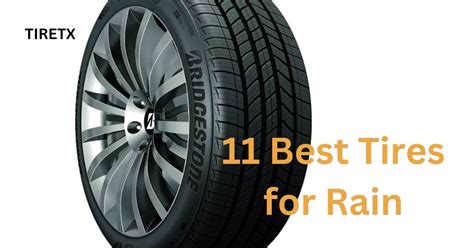
The Bridgestone Potenza Sport is a newer entrant into the ultra-high performance category, designed to deliver dynamic handling and outstanding wet grip. Its innovative tread pattern includes wide grooves and optimized block stiffness for efficient water channeling and consistent contact. The advanced compound formulation contributes to its superior wet braking performance.
This tire provides a sharp steering response and excellent stability, allowing drivers to maintain control and confidence on wet surfaces. It strikes an impressive balance between outright performance and everyday usability. The Potenza Sport is quickly gaining recognition for its ability to perform across a broad range of conditions.
Pirelli P Zero (PZ4): Premium Wet Weather Control
The Pirelli P Zero, particularly the PZ4 variant, is a premium choice often found as original equipment on high-end sports cars and luxury vehicles. It boasts an asymmetric tread pattern with an optimized pitch sequence for noise reduction and enhanced wet grip. The tire’s advanced polymer blend provides excellent adhesion to wet roads.
Engineered for maximum performance, the P Zero offers precise steering and strong braking capabilities in wet conditions, inspiring confidence in demanding situations. Its robust construction ensures stability at high speeds, even when encountering standing water. This tire truly embodies Italian performance engineering.
Falken Azenis FK510: Value-Oriented Wet Performance
The Falken Azenis FK510 offers an excellent balance of performance and value, making it a popular choice for budget-conscious enthusiasts. It features an asymmetric tread design with tension control technology, which provides a comfortable ride while maintaining precise handling. The tire’s hybrid undertread cap ply further enhances high-speed stability.
Its wide shoulder blocks and multiple circumferential grooves work together to efficiently evacuate water, contributing to strong hydroplaning resistance. The FK510 delivers commendable wet grip and braking performance, often exceeding expectations for its price point. It represents a smart investment for drivers seeking capable wet weather tires without breaking the bank.
Maintaining Your Wet Weather Performance Tires
Proper maintenance is essential to ensure your performance tires continue to deliver optimal wet weather grip and longevity. Regular inspections and adherence to manufacturer guidelines can significantly extend the life and effectiveness of your investment. Neglecting these simple steps can lead to diminished performance and increased safety risks.
Check for even tread wear, proper inflation, and any signs of damage such as cuts or bulges. These proactive measures help preserve the integrity of the tire’s critical features. Consistent maintenance ensures that your tires are always ready to perform when conditions become challenging.
The Importance of Proper Tire Pressure
Maintaining correct tire pressure is one of the most straightforward yet impactful aspects of tire maintenance, especially for wet weather performance. Under-inflated tires can reduce the effectiveness of tread grooves, making them less capable of evacuating water. This condition significantly increases the risk of hydroplaning and compromises overall handling.
Conversely, over-inflated tires can reduce the contact patch, leading to uneven wear and diminished grip. Always refer to your vehicle’s owner’s manual or the placard on the driver’s side door jamb for the recommended tire pressure. Regular checks, at least once a month and before long trips, are vital for safety and performance.
Conclusion: Drive Confidently in the Rain
Choosing the best performance tires for wet conditions is a critical decision that directly impacts your safety and driving experience. Investing in high-quality tires designed for rain can significantly reduce the risk of accidents and enhance your vehicle’s overall handling. Understanding the technologies and factors involved empowers you to make an informed choice.
Whether you prioritize ultimate grip, balanced performance, or value, there’s a top-rated tire out there to meet your needs. By selecting and properly maintaining the right set of tires, you can drive with confidence, even when the weather turns unfavorable. Always prioritize safety and performance when equipping your vehicle for challenging wet roads.
Frequently Asked Questions (FAQ)
What makes a tire good for wet conditions?
Tires excelling in wet conditions typically feature specialized tread patterns with wide circumferential grooves and numerous sipes. These designs efficiently channel water away from the tire’s contact patch, preventing hydroplaning. Additionally, advanced silica-rich rubber compounds are used to maintain flexibility and maximize grip on slick surfaces, even at lower temperatures.
How often should I replace wet weather performance tires?
The lifespan of wet weather performance tires depends on factors like driving style, road conditions, and proper maintenance, but generally ranges from 25,000 to 45,000 miles. It’s crucial to regularly check tread depth, as tires with worn tread lose much of their ability to evacuate water and significantly increase hydroplaning risk. Most manufacturers recommend replacing tires when tread depth reaches 4/32nds of an inch, especially for wet conditions, rather than the legal minimum of 2/32nds.
Do all-season tires perform well in heavy rain?
While all-season tires offer versatility across various conditions, they typically do not perform as well as dedicated performance or summer tires in heavy rain. All-season compounds are a compromise designed for moderate conditions, meaning their wet grip and hydroplaning resistance will be inferior to tires specifically engineered for optimal wet weather performance. For areas with frequent heavy rainfall or drivers seeking maximum safety and control, dedicated wet performance tires are a superior choice.
What is hydroplaning and how do tires prevent it?
Hydroplaning occurs when a vehicle’s tires lose contact with the road surface due to a layer of water accumulating between them. This results in a loss of traction, steering, and braking capabilities. Tires prevent hydroplaning primarily through their tread design; deep, wide grooves and sipes are engineered to quickly evacuate water from beneath the tire, allowing the rubber to maintain direct contact with the road. The tire’s compound also plays a role in enhancing grip on wet surfaces.
Is it worth investing in dedicated wet performance tires?
For drivers living in regions with frequent rainfall, those who prioritize safety and control, or enthusiasts who demand optimal performance from their vehicle in all conditions, investing in dedicated wet performance tires is absolutely worth it. These tires offer significantly improved grip, braking, and hydroplaning resistance compared to standard or even many all-season tires. The enhanced safety and driving confidence they provide can be invaluable.